
SmarTasty
Count calories with a photo
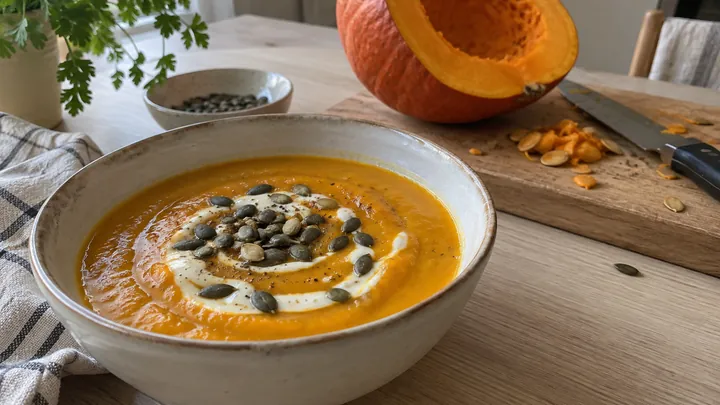
Clean eating means mostly fresh, minimally processed food and cooking for yourself – lots of veg, fruit, wholegrains and pulses. No calorie rules or bans.
Clean eating means eating mostly fresh, minimally processed food and cooking for yourself, with plenty of vegetables, fruit, wholegrains and pulses. It isn’t a diet with calorie targets, and it’s no reason for strict bans. Most people simply mean real food instead of heavily processed products.
There’s no official definition of clean eating, and no label or certification behind it. That’s why the term gets used for very different things – from sensible home cooking to strict rules about what you’re “allowed” to eat.
The closest thing in research: the NOVA classification. It sorts food into four groups by how processed it is, from unprocessed to ultra-processed. In those terms, clean eating mostly means cooking from the first groups and eating less from the fourth, ultra-processed one. More in our guide to ultra-processed food.
Tip: At the weekend, cook a big batch of lentils, chickpeas or wholegrains. It saves time during the week and replaces quite a few ready-made products. More ideas in meal prep for beginners.
Clean eating recipes: everyday recipes from simple, fresh ingredients
Eating mostly fresh, minimally processed food and cooking for yourself – with lots of veg, fruit, wholegrains and pulses. There’s no official definition, and no calorie counting is involved.
No. Eggs, fish, meat or natural yoghurt are part of it, as long as they’re minimally processed.
It’s mainly about less added sugar. Ripe bananas, dates or a little honey and maple syrup are fine in moderation – but they’re still sugar.
Yes – when preferences turn into strict rules and food mostly causes stress. Then it’s worth talking to a doctor or a dietitian.