
SmarTasty
Count calories with a photo
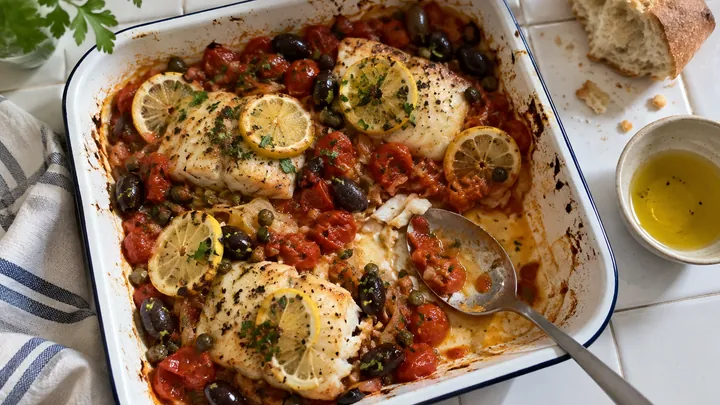
The Mediterranean diet means lots of veg, fruit, pulses, wholegrains and nuts, olive oil as your main fat and regular fish. Food list and example day.
The Mediterranean diet is a way of eating based on the traditional cooking around the Mediterranean: lots of vegetables, fruit, pulses, wholegrains and nuts, olive oil as the main fat and fish on a regular basis. Meat, processed meat and sweet things are occasional. You don’t need strict rules or calorie counting – and it’s one of the best-studied ways of eating there is.
It’s based on the traditional eating habits of countries such as Italy, Greece and Spain. It isn’t a strict diet but a way of cooking: fresh, plant-forward, not much processed – and made to be enjoyed.
The Mediterranean diet pyramid puts plant foods and olive oil at the wide base and sweets at the narrow top. In practice:
Mediterranean recipes: Mediterranean cooking for every day at home
Every day: vegetables and salad, fruit, wholegrain bread and pasta, pulses like lentils, beans and chickpeas, nuts, olives and olive oil as your main fat, plus fresh herbs. Fish and seafood, eggs and poultry several times a week, a little yoghurt and cheese such as feta or Parmesan every day. Red meat, processed meat and sweets only rarely.
It provides unsaturated fats from olive oil and nuts, omega-3 from fish, and fibre and plant compounds from vegetables, fruit and pulses. Many studies link the overall pattern with fewer heart and circulatory problems – that’s about the way of eating as a whole, not any single food.
Yes, pasta is part of it – ideally wholegrain, in a normal portion and with plenty of veg or pulses instead of a heavy cream sauce.
Traditionally, yes. But the German Nutrition Society (DGE) now advises avoiding alcohol as far as possible: there’s no amount that’s free of risk. You don’t need wine to eat the Mediterranean way.