
SmarTasty
Count calories with a photo
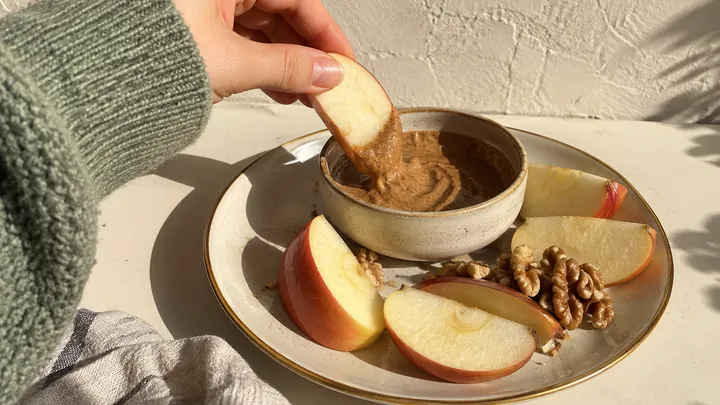
No added sugar means no sugar added to food – whole fruit stays. The WHO advises under 10% of energy from free sugars: about 50 g a day at 2,000 kcal.
A no added sugar diet means you leave out the sugar that’s added to food and drinks – whole fruit stays on the menu. It’s about cutting back on sugar, not banning every sweet taste. Sugar often hides where you don’t expect it: in ready-made sauces, fruit yoghurt, cereal and drinks. Leave it out, and there’s more room for filling food with more nutrients.
The WHO talks about free sugars: all sugar added to food and drinks – by manufacturers or by you in the kitchen – plus the sugar in honey, syrups and fruit juice. Sugar in whole fruit doesn’t count: fruit comes with its fibre.
| WHO advice | Share of energy | At 2,000 kcal |
|---|---|---|
| Limit | under 10% | about 50 g |
| Even better | under 5% | about 25 g |
Honey, syrups and fruit juice count towards these amounts too.
Sugar gives you energy but hardly any vitamins, minerals or fibre – that’s why it’s called “empty calories”. In sweet drinks and sweets it comes with little to fill you up, and many people are hungry again soon after.
In research, a long-term high sugar intake is linked with insulin resistance and with fat being stored, especially around the abdomen and in the liver. Those are links found in studies, not proof that sugar alone is the cause.
Whether a very high-sugar diet changes the bacteria in your gut is still being researched. What’s certain: if you eat fewer sweet things, there’s more room for fibre from vegetables, pulses and wholegrains. Ideas in our guides to a high-fibre diet and 30 plants a week.
The easiest way: get used to less sweetness step by step. When you do sweeten:
Sugar hides in ketchup, dressings, spice mixes, fruit yoghurt, cereal and drinks. On the ingredients list it often goes by another name:
Tip: Make your own dressing in a minute: olive oil, vinegar, mustard and herbs.
Here’s what a day without added sugar can look like:
Recipes with no added sugar: sweet and savoury dishes without added sugar
Mostly, what’s on your plate changes: fewer sweet drinks, snacks and ready-made sauces, more room for filling food. Some studies suggest this may go along with fewer cravings, though that varies from person to person.
No. The WHO doesn’t count the sugar in whole fruit as free sugar – fruit comes with fibre. Fruit juice, honey and syrups are different: they count.
It varies a lot. Many people get used to less sweetness within a few weeks. It’s easier if you cut back step by step rather than overnight.
We don’t recommend them. The WHO advises against relying on non-sugar sweeteners. Its advice doesn’t cover people who already have diabetes – if that’s you, talk to your doctor.