
SmarTasty
Count calories with a photo
A gluten-free diet cuts out wheat, spelt, rye and barley. Food list, hidden sources, an example day – and why to test for coeliac disease first.
A gluten-free diet means no wheat, spelt, rye, barley or related grains. For most people, gluten is no problem at all. With coeliac disease, a wheat allergy or gluten sensitivity, though, you need to avoid it – with coeliac disease strictly and for life.
Gluten is a mix of proteins found in wheat, spelt, rye, barley, kamut, einkorn and emmer. In dough, it makes it stretchy and helps bread rise and hold together.
Test first, then cut it out. If you think you might have coeliac disease, keep eating gluten as normal until your doctor has finished the tests. Otherwise the antibodies and the changes to the lining of the small intestine can fade, and the diagnosis may no longer be clear, as the German Coeliac Society points out.
Wheat flour and wheat starch are often used as thickeners in ready-made foods, so it’s always worth checking the ingredients list.
Go for foods that are naturally gluten-free rather than heavily processed substitutes:
Common mistakes: overlooking soy sauce, stock and spice mixes. Using regular oats – they’re often contaminated with wheat. And with coeliac disease, sharing a toaster or chopping board with regular bread: keep separate ones to avoid cross-contact.
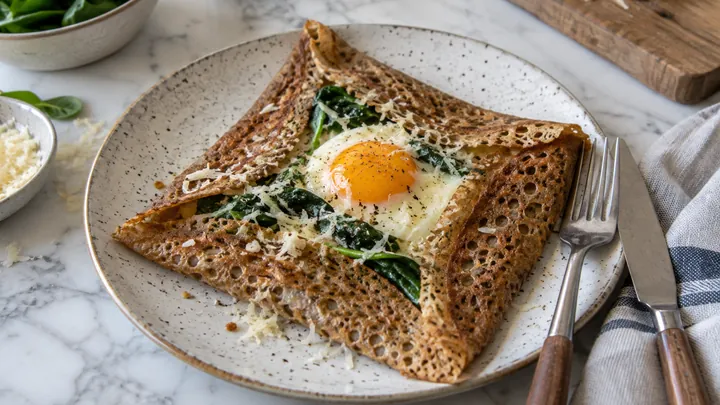
Gluten-free recipes: everyday recipes without wheat, spelt, rye or barley
Yes. The blood test and, if needed, a tissue sample are only reliable while you’re still eating gluten as normal. So only switch once the tests are done.
Not by itself. Gluten-free sliced bread and biscuits often contain a lot of starch, fat and sugar to make up for the texture. Without coeliac disease or an intolerance, cutting out gluten has no proven benefit – and wholemeal bread provides plenty of fibre.
Coeliac disease is a lifelong condition in which the body attacks its own small intestine: even small amounts of gluten damage its lining. With gluten sensitivity (non-coeliac wheat sensitivity), people get similar symptoms, but without that damage to the intestine.