
SmarTasty
Count calories with a photo
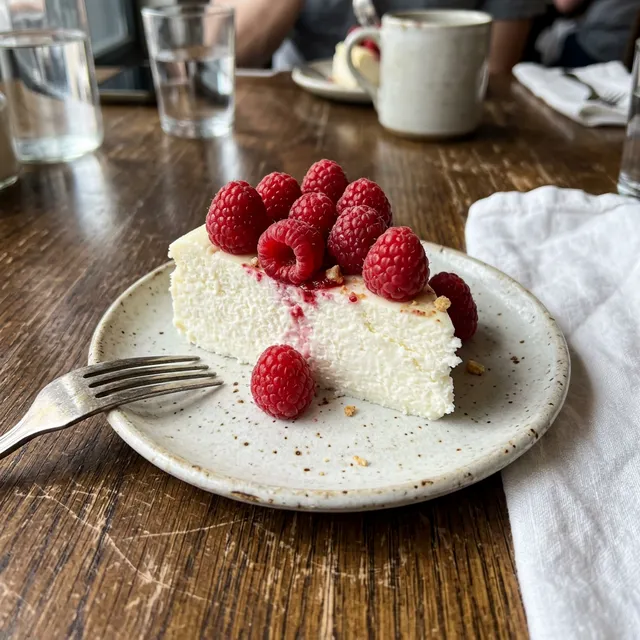
Low-carb crustless protein cheesecake with low-fat quark, cream cheese, yoghurt, eggs and lemon – creamy, with plenty of protein and a soft, delicate texture.
You’ll need: oven · springform tin · sieve · grater
There's something comforting about a cheesecake like this. Creamy, simple and just right when you fancy something sweet without a heavy base.
Low-fat quark → skyr or well-drained plain Greek yoghurt 2–5 % (more protein, often creamier, usually fewer additives) Cream cheese → ricotta or organic cream cheese with a higher fat content (less processed, richer) Less sweet: use half the maple syrup or honey and round it off with cinnamon, vanilla or a few berries Vanilla custard powder (unsweetened) → cornflour plus real vanilla or a little locust bean gum (fewer additives, real vanilla flavour)
Contains milk and egg, and depending on the custard powder possibly traces of gluten. Usually fine for children; during pregnancy it's fine with fresh, pasteurised dairy and fully baked eggs.
It has less fat, yes, but not necessarily less protein or calcium. Low-fat quark provides plenty of protein and calcium, but it contains fewer fat-soluble vitamins than higher-fat versions.
Eggs provide protein, choline, selenium, vitamin B12 and vitamin A. The yolk also contains fat and small amounts of polyunsaturated fatty acids.
Both sweeten mainly through sugar. Maple syrup contains small amounts of minerals such as manganese, and honey brings tiny amounts of plant compounds depending on the type – overall the difference is fairly small.
That varies from person to person. Thanks to fermentation, some people get on better with yoghurt; quark and cream cheese can still cause discomfort, depending on how sensitive you are.
Mainly flavour, plus small amounts of essential oils and plant compounds from the peel – the amount used here is small.