
SmarTasty
Count calories with a photo
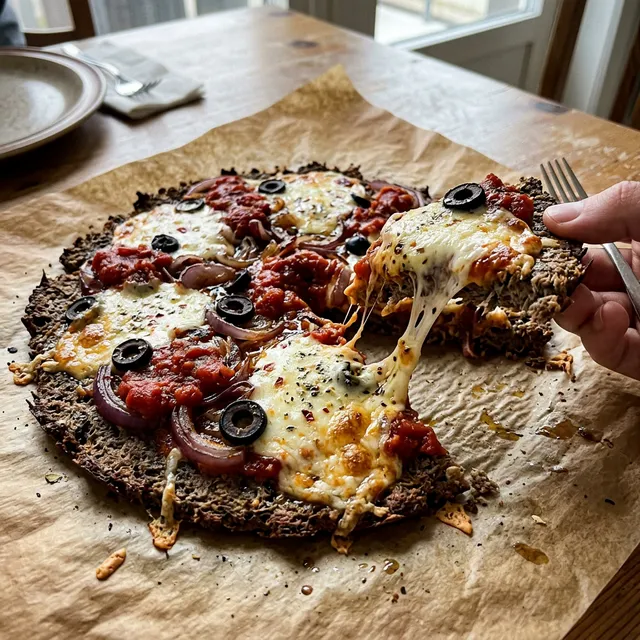
High-protein tuna pizza with tuna, eggs, passata, red onion and basil – plenty of protein, quick to make and pleasantly light.
You’ll need: oven · baking tray · chopping board · knife · mixing bowl · sieve
When it needs to be quick but should still be substantial, this pizza is a really good idea. The base needs no flour and turns out surprisingly sturdy. It tastes especially good warm from the oven.
Tuna → tinned salmon (also provides plenty of protein, plus more omega-3 fatty acids). Red onion → spring onion (milder flavour). Passata → finely diced tomatoes (a little more texture and fibre). Basil → rocket (also adds vitamin K and a peppery note).
Contains fish and egg. Generally suitable for children if the texture and seasoning suit them; in pregnancy, the tuna is fine cooked through, but because of mercury, limit tinned tuna, as the NHS advises.
Tuna provides omega-3 fatty acids, though usually less than oilier fish such as salmon or mackerel. The amount varies with the species and processing.
Eggs contain choline, vitamin A, vitamin B12, riboflavin and selenium, among other things. Choline is especially interesting nutritionally, because many people don't get very much of it.
Yes, it still contains potassium and lycopene.
Red onions contain FODMAPs – certain short-chain carbohydrates that can cause wind or a feeling of pressure in the stomach in sensitive people. That's mainly an issue with IBS.
In the usual amounts, mainly flavour, plus small amounts of polyphenols and essential oils. Here, the oregano goes into the base and the basil on top at the end.